


You buy fruit because it seems like the easy, healthy choice. Then breakfast goes fine on Monday, and the same fruit leaves you bloated or running to the bathroom on Wednesday. Many people with IBS end up avoiding fruit altogether after a few of those experiences.
A better approach is to test fruit with a system. The useful questions are specific. Which fruit tends to sit well, how much can you tolerate, does ripeness matter, and does your gut do better with it raw, blended, or paired with another food? A low-FODMAP framework gives that testing process structure, and it helps turn random trial and error into something you can learn from.
That matters in real life, because fruit is not just a nutrition question. It is a shopping, prep, and portioning question too. One person does well with half a firm banana but not a ripe one. Another handles blueberries in yogurt but not on an empty stomach. Even details like the fiber content in blueberries can affect how filling and tolerable a fruit feels from one person to the next.
This guide focuses on seven fruits that are often practical starting points for IBS. The goal is not to hand you a simple yes-or-no list. It is to help you choose the right fruit, prepare it in ways that are easier on your gut, and keep track of the patterns that show up over time. If you want to organize portions and recipes in one place, a recipe calorie checker for healthy cooking can also make your food notes more useful.
Used well, OrganizEat becomes the hub for that process. Save the recipes that worked, note the serving size, tag the fruit by symptom response, and stop relying on memory when your gut has an off day. That is how fruit goes from a source of stress to part of a sustainable IBS routine.
Table of Contents
- 1. Bananas The Gentle, Low-FODMAP Digestive Aid
- 2. Blueberries Antioxidant-Rich Anti-Inflammatory Superfruit
- 3. Oranges Vitamin C Power with Gentle Soluble Fiber
- 4. Cantaloupe Hydrating, Low-Fiber, Gentle Melon
- 5. Kiwifruit Natural Digestive Enzyme Support for IBS
- 6. Papaya Enzyme-Rich Tropical Fruit for Bloating Relief
- 7. Grapes Red/Black Small, Seed-Full Anti-Inflammatory Snacks
- 7 IBS-Friendly Fruits Compared
- From List to Lifestyle Your Action Plan
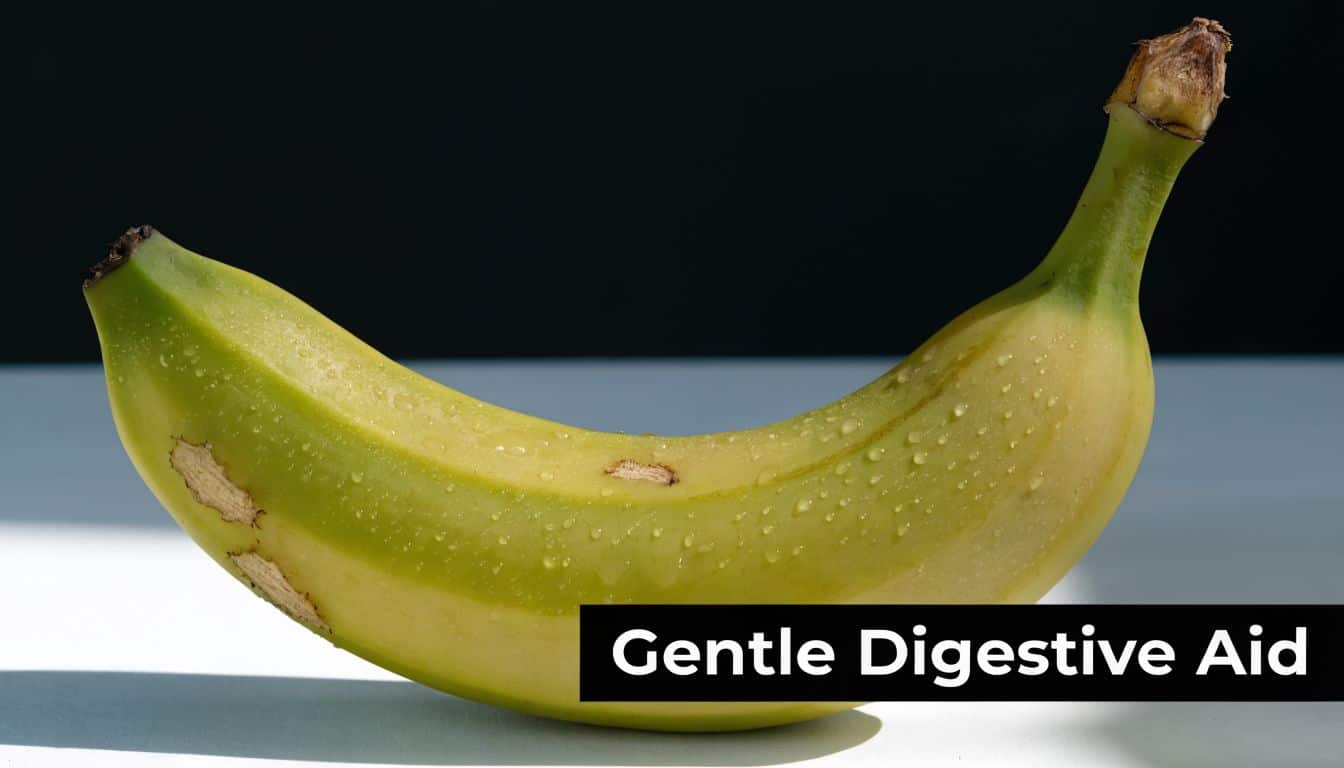
1. Bananas The Gentle, Low-FODMAP Digestive Aid
A common IBS breakfast problem looks like this. You want something fast, your stomach already feels uncertain, and you need a fruit that will not turn the morning into a guessing game. Bananas usually earn their place here because they are easy to portion, easy to carry, and simple to test on their own.
Ripeness is the part that changes the result. Firmer bananas with some green left are often tolerated better than very ripe, spotty ones, so bananas should be tested by stage, not judged as one single food. That trade-off matters in practice. The sweeter and softer the banana gets, the less useful it becomes as a clean IBS test food for many people.
Choose the right banana
Start with a slightly underripe banana and keep the test boring. Plain fruit gives you a clearer answer than a smoothie, muffin, or overnight oats recipe loaded with sweeteners, dairy, or extra fiber.
Practical rule: Test bananas plain before mixing them into recipes. The banana may be tolerated well while the rest of the recipe is what causes trouble.
A few habits make bananas easier to use as part of a repeatable IBS system:
- Buy by ripeness on purpose: Choose firmer bananas with a little green if your goal is a gentler starting point.
- Use one consistent portion: Half a banana or one medium banana works better for testing than taking random bites throughout the day.
- Serve them plain: Room-temperature banana is often easier on a sensitive stomach than fruit taken straight from a cold fridge.
- Track what version worked: In OrganizEat, save the exact format that felt safe, such as plain half banana, banana with oats, or banana with lactose-free yogurt. That gives you a personal list you can reuse during busy weeks or flare days.
- Plan your repeat meals: If you need a better system for keeping restricted meals organized, this guide on planning meals for dietary restrictions is a practical next step.
Bananas also help because they reduce prep friction in the kitchen. No washing, peeling tools, or recipe steps. That makes them useful on days when energy is low and decision fatigue is high.
For some people, pairing banana with protein helps it feel more satisfying. For others, that same pairing adds fat or dairy that complicates the test. Start with the fruit alone, then build from there if it goes well. If you later want to compare simple breakfasts in a more structured way, a recipe calorie checker for healthy cooking can help you review ingredients and portions without relying on memory.
Bananas are not a cure. They are a strong first trial fruit because they are easy to choose, prepare, repeat, and log. That is what makes them useful in an IBS plan that lasts. And while this section focuses on bananas, understanding the fiber content in blueberries can also help when you start expanding your fruit rotation later.
2. Blueberries Antioxidant-Rich Anti-Inflammatory Superfruit
Blueberries are often the first berry I test with IBS clients who want more variety but do not want a complicated prep routine. They are easy to rinse, easy to portion, and easy to repeat. That matters, because repeatable foods give clearer feedback than meals that change every time.
As noted earlier, blueberries are generally considered a lower-FODMAP fruit in moderate portions. The practical trade-off is serving size. A small, consistent portion is usually easier to assess than a large bowl that feels healthy but leaves you guessing later.
Use blueberries in forms you can repeat and track
Blueberries tend to work best in simple meals. Try them on their own, over lactose-free yogurt, or mixed into plain oats. Those setups keep the ingredient list short, which makes it easier to tell whether the fruit worked well or whether another add-in caused trouble.
This is also where kitchen organization helps. Save two or three blueberry recipes in OrganizEat and tag them by context, such as breakfast, snack, or flare-day option. If you compare portions or adjust ingredients over time, this guide to a recipe calorie checker for healthy cooking can help you review what changed without relying on memory.
Frozen blueberries are especially useful.
They let you scoop the same amount each time, reduce waste, and keep a tolerated fruit available even when fresh produce is inconsistent. For many individuals with IBS, that kind of consistency matters more than chasing the “best” version at the store. If you want a quick nutrition refresher, this explanation of fiber content in blueberries is a helpful reference.
A common mistake is turning blueberries into a loaded breakfast bowl with granola, honey, dried fruit, seeds, and nut butter. That combination adds too many variables at once. When you are trying to identify the best fruit for ibs for your body, a simpler bowl gives you a cleaner test and a recipe you can reliably repeat on a busy week.
3. Oranges Vitamin C Power with Gentle Soluble Fiber
A lot of people with IBS miss fresh, juicy fruit because so many easy options, like apples or pears, can backfire. Oranges often fill that gap well. They are simple to portion, easy to pack, and usually easier to test than mixed fruit cups, smoothies, or juice.
They also offer a more controlled trial. A whole orange provides natural portion control, and the segments slow you down enough to notice whether the fruit itself feels fine or whether timing, meal size, or acidity is the primary issue.
Whole oranges are usually easier to test than juice
The main trade-off is not sugar or fiber. It is acidity.
Some people tolerate oranges well with breakfast or lunch and have no problem. Others notice burning, urgency, or a sour stomach if they eat citrus during a flare, on an empty stomach, or alongside coffee. If reflux overlaps with IBS, oranges may still be usable, but the setup matters.
Start with one practical test:
- Eat a small orange after a meal: This often lands better than starting the day with orange juice.
- Use oranges as a side, not a large snack: One serving is easier to assess than two or three pieces at once.
- Test peeled segments before recipes: Confirm the fruit works on its own before adding it to salads, dressings, or bowls.
Form matters a lot here. Juice goes down quickly, drops the fiber structure, and makes it easy to drink more than your gut wanted. Whole fruit gives you a slower, more predictable serving.
Oranges can also make IBS meals less repetitive. A few segments with chicken and rice, chopped citrus in a cucumber salad, or a light orange vinaigrette without garlic can add flavor without turning fruit into dessert. If a recipe calls for ingredients that usually trigger symptoms, use an ingredient substitution finder for recipe swaps that fit IBS cooking and save the tolerated version in OrganizEat under tags like “citrus,” “lunch,” or “flare-friendly.”
That organization step matters more than it sounds. Once you know whether oranges work better after meals, at room temperature, or only in small amounts, save that note with the recipe. Over time, you stop guessing. You build a fruit system you can repeat on a busy week.
4. Cantaloupe Hydrating, Low-Fiber, Gentle Melon
Cantaloupe can be a smart reset fruit. When someone is tired of bananas and berries but still wants something soft, hydrating, and mild, melon often fills that gap.
Its main advantage is texture. Cantaloupe doesn’t ask much of your digestion compared with denser fruits, dried fruit, or fruit with lots of peels and seeds. For many people, that makes it useful on warmer days, after a rough symptom stretch, or when appetite is low but you still need something light.
When cantaloupe works best
Cantaloupe is most helpful when you treat it as a simple snack instead of piling it into a large fruit bowl. Mixing many fruits at once can make it harder to tell what caused trouble.
A few practical uses tend to work well:
- Mid-morning snack: A small chilled serving between meals can feel easier than fruit at the end of a heavy dinner.
- Prep-ahead hydration option: Cut it into cubes and store it in glass containers so it’s ready when you need something gentle.
- Paired with plain protein: Cottage cheese, eggs, or a simple lunch plate can make it more sustaining without overcomplicating the meal.
Cantaloupe is also a good example of why organization matters. If you meal prep, create a “Hydrating Foods” or “Flare Day Foods” tag in OrganizEat so melon, soups, rice dishes, and other gentle staples sit in one place. When symptoms hit, you won’t have to build a plan from scratch.
One caution: don’t assume “light” means unlimited. Even very gentle fruit can become a problem if portions creep up or if you combine it with other triggers like sweetened yogurt, granola, or high-FODMAP dressings.
5. Kiwifruit Natural Digestive Enzyme Support for IBS
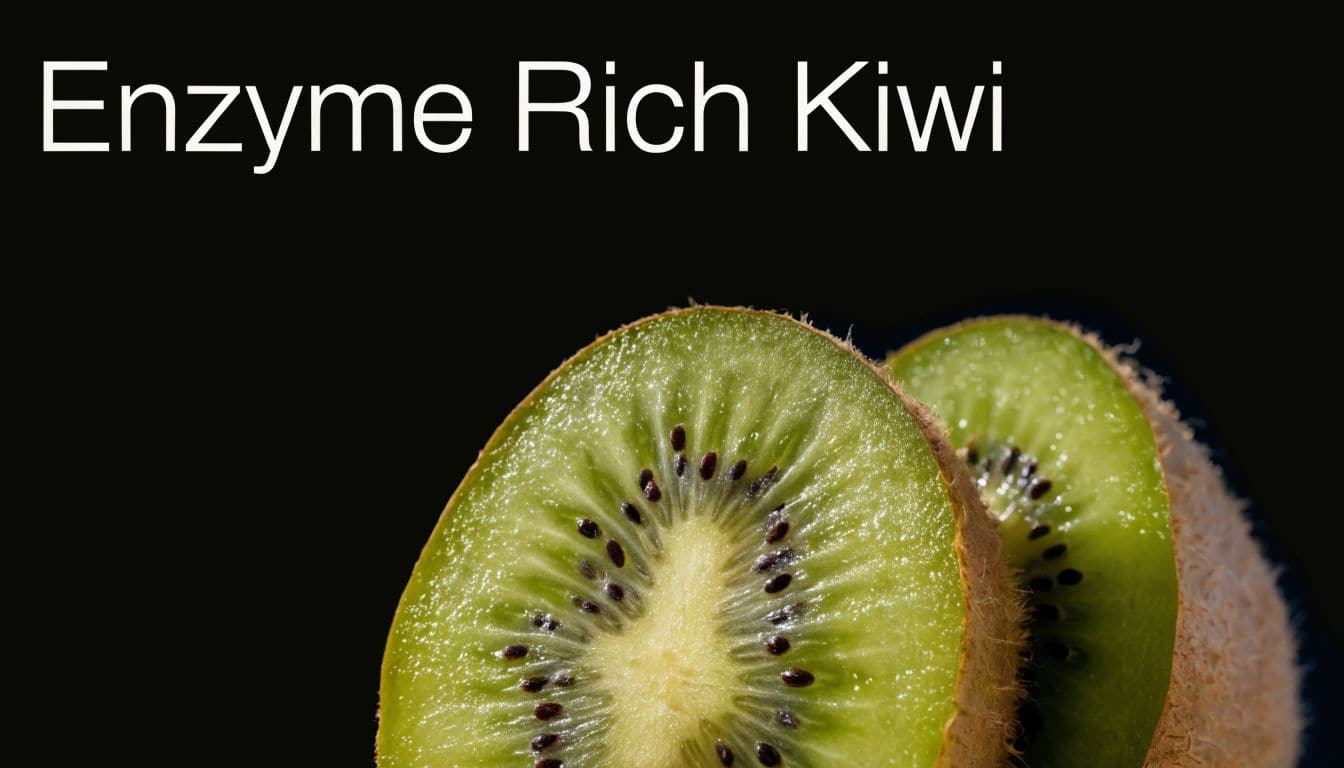
A common IBS pattern looks like this. Breakfast is technically healthy, but it lands heavily. By mid-morning, there is bloating, sluggishness, or that uncomfortable feeling that food is just sitting there. Kiwifruit is often a practical fruit to test in that situation because it brings acidity, moisture, and a texture that many people find easier to work with than denser, higher-risk fruits.
Why kiwi stands out
Kiwi earns its place for a few reasons at once. It is often tolerated in moderate portions, it has a useful fiber profile, and many people specifically like it when constipation or post-meal heaviness is part of their IBS pattern, as noted earlier.
The trade-off is straightforward. Kiwi is not as neutral as banana or melon. Its tartness can be refreshing for one person and irritating for another, especially during a flare or if reflux also shows up. That is why kiwi works best as a controlled test, not as a large fruit salad ingredient tossed in with three other variables.
A practical approach usually works better than guessing:
- Start with one kiwi: Eat it plain or with a simple meal and give yourself a few repeat trials before deciding.
- Use it at the same time of day: Breakfast or mid-morning is often easiest for tracking because the meal is simpler.
- Keep the rest of the meal boring: Oats, eggs, tolerated yogurt, or toast make reactions easier to read than smoothie bowls with seeds, sweeteners, and multiple fruits.
- Log preparation details: Ripe versus underripe, plain versus mixed into yogurt, morning versus evening. Those details matter.
Organization helps in a real, day-to-day way. If kiwi works for you, save the exact version that worked in OrganizEat, then tag it by symptom goal such as “constipation support,” “light breakfast,” or “safe snack.” If a recipe calls for apple or pear and those are already on your problem list, a tool for ingredient substitution in recipes can help you adjust the dish without rebuilding it from scratch.
For households, kiwi is also easy to keep flexible. Prep the base meal once, then let each person add their own fruit at the table. That cuts down on duplicate cooking and makes IBS management feel more sustainable, which is usually what determines whether a food stays in rotation.
6. Papaya Enzyme-Rich Tropical Fruit for Bloating Relief
Papaya is often overlooked because it isn’t as common in everyday meal planning as bananas or berries. That’s a mistake. For some people, especially those who feel heavy or bloated after eating, ripe papaya is one of the softer and more workable tropical fruits.
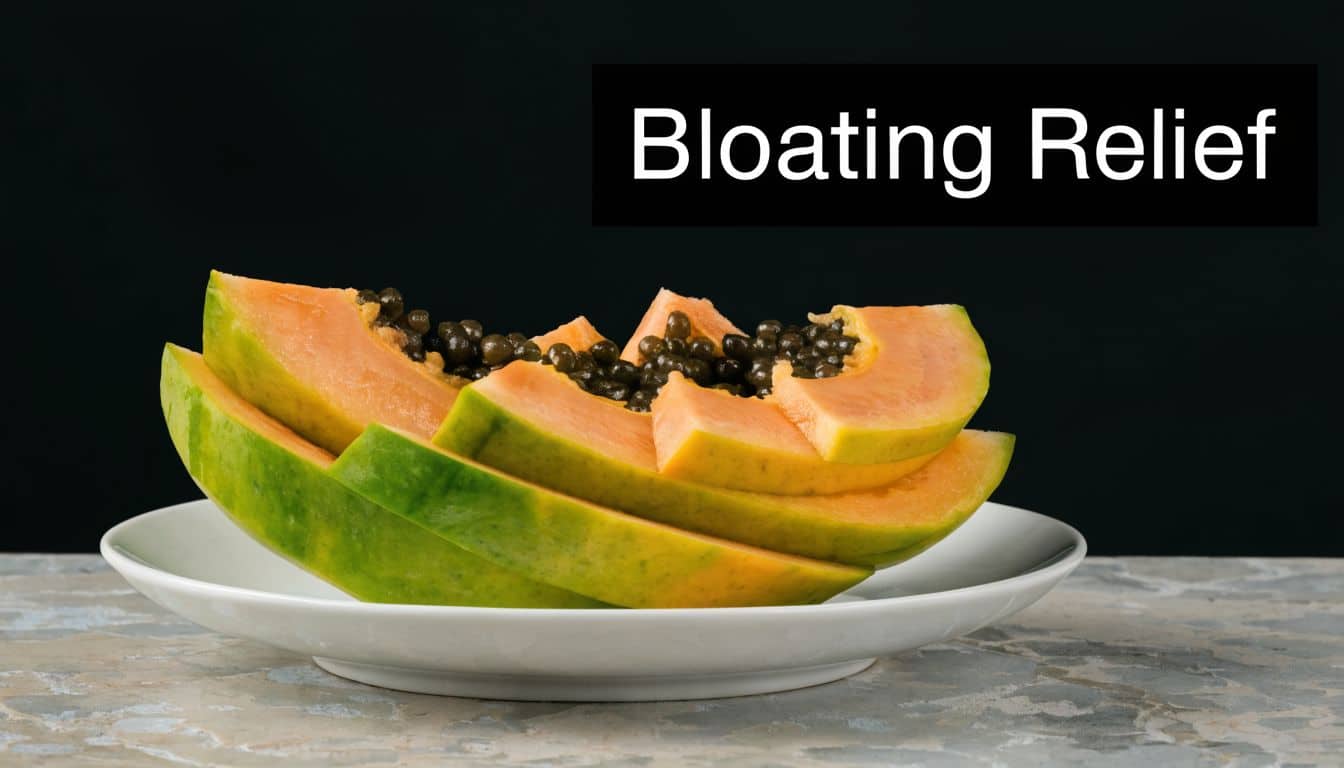
Papaya tends to fit best when it’s fully ripe and served plain. A few cubes after lunch, a small amount blended into a smoothie with tolerated ingredients, or a chilled side with breakfast is usually more useful than elaborate tropical bowls loaded with mango, coconut sweeteners, and seeds.
Ripeness matters more than people think
The trade-off with papaya is that people often buy it too early and eat it before it’s ready. Unripe fruit can be harder on a sensitive gut, and with IBS, that can turn a potentially helpful food into a confusing bad experience.
This fruit works best when you keep the variables controlled:
- Wait for ripeness: Look for yellow skin and soft flesh rather than green, hard fruit.
- Use small amounts first: Tropical doesn’t have to mean large.
- Build a recipe folder: Save papaya smoothies, salsas, and breakfast bowls in an “Enzyme-Rich” or “Tropical Recipes” category in OrganizEat so you can compare which versions feel best.
Papaya also plays well with savory meals. A simple papaya salsa with lime and herbs can work on fish or chicken if you leave out common triggers like onion. That’s a better test than restaurant salsa, where hidden ingredients make it hard to know what caused symptoms.
If you want visual inspiration for working papaya into meals, this quick video is useful:
7. Grapes Red/Black Small, Seed-Full Anti-Inflammatory Snacks
Grapes are easy to underestimate because they’re so familiar. But that familiarity is exactly why they can help. They require almost no prep, they travel well, and they’re naturally portionable in a way that larger fruits aren’t.
Red and black grapes are especially practical when you want a snack that feels a little more satisfying than melon but still lighter than a banana. They also fit social eating well. A small bunch packed for work, added to a lunch plate, or served with a tolerated cheese is often easier than improvising with whatever snack is nearby.
A fruit that makes portion control easier
The biggest strength of grapes is precision. You can wash a small amount, eat slowly, and stop without feeling like you’ve committed to an entire piece of fruit.
That makes them useful for people who are trying to learn their limits. In OrganizEat, I’d tag grapes under both “Quick Snacks” and “Cold Snacks” so they show up when you need an easy option and don’t have the energy to cook.
A few habits make grapes work better:
- Choose red or black first: They’re a good starting point if you want a more flavorful option.
- Keep them cool, not icy: Very cold foods can bother some people during active symptoms.
- Freeze small portions: Frozen grapes can be soothing, but test regular chilled grapes first if your gut reacts to cold.
- Log the context: Grapes eaten alone may feel different from grapes eaten after a large meal.
Small fruits are often easier to manage with IBS because they let you adjust the dose without waste.
Grapes also solve a common practical problem. When someone wants something sweet after dinner, a measured serving of grapes is easier to repeat consistently than fruit desserts, baked goods, or “healthy” treats with long ingredient lists.
7 IBS-Friendly Fruits Compared
| Fruit | Implementation Complexity (🔄) | Prep & Convenience (⚡) | Expected Outcomes (⭐) | Ideal Use Cases (📊) | Key Advantages (💡) |
|---|---|---|---|---|---|
| Bananas | Low 🔄, peel only | Very high ⚡⚡⚡, portable | Moderate–High ⭐⭐⭐, pectin aids stool regulation | Quick snack, post-flare reintroduction, breakfast | Low-FODMAP, pectin & potassium; choose slightly underripe; pair with protein |
| Blueberries | Low 🔄, ready to eat | High ⚡⚡, easy portioning but watch servings | Moderate ⭐⭐, anti-inflammatory, microbiome support | Antioxidant boost, smoothies, yogurt toppings | High anthocyanin content; buy frozen to save cost; limit to recommended serving |
| Oranges | Low–Medium 🔄, peeling needed | Moderate ⚡⚡, whole fruit preferred over juice | Moderate ⭐⭐, vitamin C, soluble pectin for gentle digestion | Hydration, immune support, gentle fiber addition | Eat whole (not juice); include white pith for fiber; avoid cold servings if sensitive |
| Cantaloupe | Medium 🔄🔄, cutting/seeding required | Moderate ⚡⚡, needs prep but refreshing | Moderate ⭐⭐, excellent hydration, low fiber for IBS-D | Rehydration, flare recovery, low-fiber needs | Very high water content; gentle on GI but low fiber may not suit IBS-C |
| Kiwifruit | Low–Medium 🔄🔄, can eat whole or sliced | Moderate ⚡⚡, year-round availability | High ⭐⭐⭐, actinidin enzyme reduces bloating, supports regularity | With protein meals, IBS-C, bloating relief | Enzyme-rich (actinidin); eat with protein or leave skin on if tolerated; watch for mouth sensitivity |
| Papaya | Medium 🔄🔄, ripeness and prep required | Moderate ⚡⚡, must be ripe for benefit | High ⭐⭐⭐, papain aids protein digestion and reduces gas | Enzyme therapy, tropical dishes, protein-heavy meals | Papain enzyme effective for bloating; use fully ripe fruit; limited availability in some regions |
| Grapes (red/black) | Low 🔄, rinse & eat | Very high ⚡⚡⚡, grab-and-go, easy portion control | Moderate ⭐⭐, resveratrol/polyphenol anti-inflammatory (portion-dependent) | Portable snacks, anti-inflammatory addition, frozen treats | High polyphenols in skins; prefer red/black varieties; limit to ½–1 cup to stay low-FODMAP |
From List to Lifestyle Your Action Plan
You are in the kitchen, breakfast is ten minutes away, and the essential question is not whether bananas or kiwi rank higher on a list. The question is what you can eat today, in a portion you trust, prepared in a way your gut usually accepts.
The best fruit for ibs is the fruit you can repeat without creating a new problem. Tolerance depends on serving size, ripeness, timing, and what else is in the meal. A slightly green banana may work better than a very ripe one. Kiwi may help one person stay regular and bother another if eaten on an empty stomach. Blueberries, oranges, or grapes may be fine alone but less comfortable inside a large smoothie or a heavy breakfast.
As noted earlier, low-FODMAP guidance gives many people with IBS a useful starting structure. Daily relief still depends on home habits. The practical goal is to build a short list of fruits you tolerate well, then make them easy to buy, prep, and use again.
Start with one or two fruits, not all seven. Test them in plain, low-risk meals. Keep portions modest, keep the rest of the plate simple, and pay attention to three details: ripeness, form, and timing. Whole fruit may sit better than juice. Room-temperature fruit may be easier than very cold fruit during a flare. A fruit that fails in a smoothie may work perfectly when eaten on its own.
Then organize what you learn while it is still fresh. Save each successful recipe or snack in OrganizEat and tag it in a way that matches real life: “IBS-Friendly,” “Flare Day,” “Work Snack,” “Constipation Support,” or “Safe Breakfast.” Add a short note with the exact portion and any useful context, such as “½ cup blueberries with lactose-free yogurt worked,” or “orange was better after lunch than first thing in the morning.”
That small step changes everything.
Instead of retesting the same foods and forgetting what happened, you build your own reference system. Your grocery list starts reflecting foods you tolerate. Your meal planning gets faster. Family members can see what is safe to keep on hand. On hard symptom days, you do not need to guess.
A workable IBS fruit plan usually looks simple:
- 2 to 3 fruits you trust most
- 1 backup option for flare days
- clear portion notes
- a few repeat meals or snacks built around those fruits
- one place to store recipes, symptom notes, and shopping lists
That is how fruit becomes part of a sustainable routine instead of an ongoing experiment. A reliable system beats a perfect list every time.