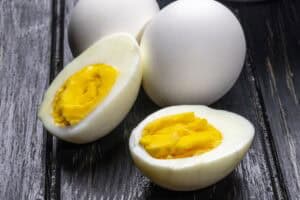



Place eggs in a bowl of warm tap water for 5 to 10 minutes when you need them fast. If you have a little more breathing room, many bakers set them out about 30 minutes before baking so they mix more evenly and perform better in batters and foams.
If you're baking right now, this is probably the exact snag you hit. The butter is soft, the sugar is measured, the oven is preheating, and the eggs are still cold from the fridge. It feels like a tiny detail until a cake batter looks grainy or a butter-based mixture turns lumpy for no obvious reason.
Bringing eggs to room temperature is one of those small habits that improves your baking. It helps with smoother mixing, better texture, and more reliable results, but it also works best when you stop treating it like a last-minute rescue and start folding it into how you plan recipes in the first place.
Table of Contents
- The Baker's Dilemma You Can Solve in 5 Minutes
- Why Room Temperature Eggs Are a Baker's Secret Weapon
- How to Quickly Bring Eggs to Room Temperature
- Food Safety and Troubleshooting Common Egg Issues
- Make It a Habit Not a Hassle with Smart Recipe Planning
- Frequently Asked Questions About Eggs
The Baker's Dilemma You Can Solve in 5 Minutes
This happens in real kitchens all the time. You read the recipe, you commit to the bake, and only then notice the phrase "room temperature eggs." At that point, nobody wants to wait around.
The quickest reliable fix is simple. Put the whole, uncracked eggs in a bowl of warm, not hot, water and let them sit until they no longer feel cold. Many baking references recommend about 5 to 10 minutes, and some bakers use a slightly longer warm-water soak depending on how cold the eggs are to start with, as noted in guidance on bringing eggs to room temperature for baking.
Practical rule: Warm water helps. Hot water creates problems you don't need.
That little distinction matters. Warm water nudges the eggs toward the right temperature. Water that's too hot can start affecting the proteins at the shell surface, which is the exact opposite of what you want when you're trying to improve baking performance.
If you've ever added cold eggs to creamed butter and sugar and watched the bowl turn curdled, you already know why this matters. The fix isn't fancy technique. It's timing.
A good baker's habit is to check the recipe before the mixer starts. If the eggs need to warm up, do that first, then gather flour, pans, parchment, and everything else. That way, bringing eggs to room temperature becomes part of prep, not a surprise detour halfway through the recipe.
Why Room Temperature Eggs Are a Baker's Secret Weapon
You see the payoff in the finished bake, but it starts much earlier, while you're organizing the recipe and setting up the counter. Eggs at the right temperature help the whole mixing process run more cleanly, which means fewer surprises once the batter is in the pan.
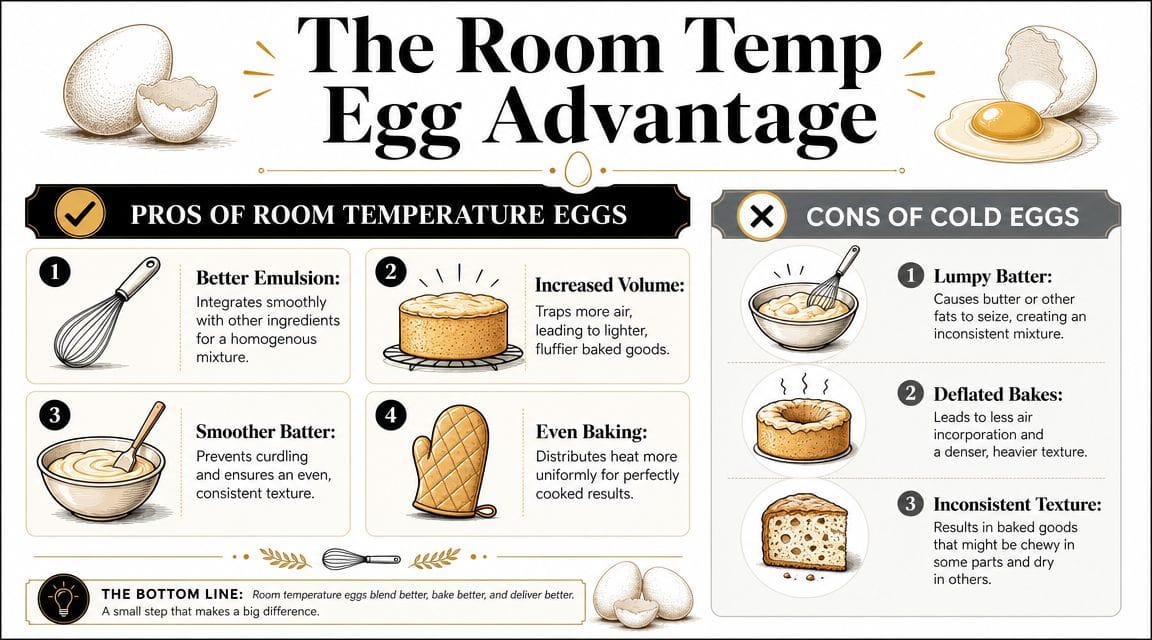
Cold eggs can break a smooth batter
If you've ever creamed butter and sugar until fluffy, then watched the mixture turn grainy after adding eggs, you've seen the problem firsthand. Cold eggs can make a warm fat-based batter look split or curdled, especially in cakes, cupcakes, and some cookie doughs.
That rough-looking bowl does not always ruin the recipe, but it often leads to a tighter crumb and less even texture. Room-temperature eggs mix in with less resistance, so the batter stays smoother and more stable from the start.
I treat this as a planning issue as much as a technique issue. When the recipe has softened butter, eggs should be on that same prep checklist. If you organize your bakes ahead of time, even with something as simple as a saved prep note or a cooking time conversion guide for better baking planning, it's easier to catch those small temperature details before they slow you down.
They also whip differently
For sponge cakes, chiffon cakes, soufflés, and meringue-based batters, temperature affects how well eggs foam. Room-temperature eggs usually whip with less fuss and hold structure more reliably, which gives you better lift when the recipe depends on trapped air instead of baking powder alone.
Cold eggs are not automatically a disaster.
They're just less forgiving, especially on a busy day when you're measuring fast and trying to keep the bake on schedule. Good baking habits reduce that friction. Matching ingredient temperatures is one of those quiet habits that makes recipes behave the way the author intended.
Here's what room-temperature eggs help you get in practical terms:
- Smoother mixing: Eggs blend into butter and sugar more evenly.
- Stronger emulsions: Batters stay cohesive instead of looking oily or separated.
- More reliable aeration: Egg foams build with less resistance in cakes that depend on volume.
- Better texture: Finished bakes are less likely to have dense streaks or uneven patches.
That is why seasoned bakers pay attention to the bowl before they pay attention to the oven. A few minutes of prep gives the batter a better start, and better starts usually bake up better.
How to Quickly Bring Eggs to Room Temperature
When you need a dependable method, skip shortcuts that feel clever but create uneven results. Warm water is the method I trust because it's quick, gentle, and easy to repeat if the eggs are still cool.
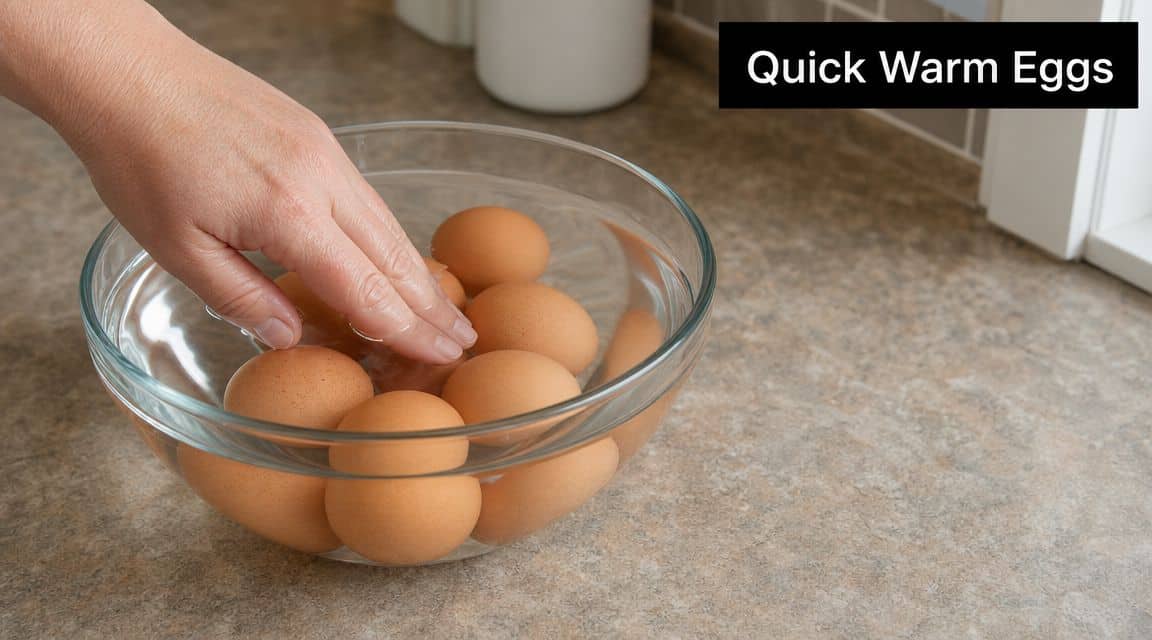
The warm water method
A practical, low-risk approach is to submerge whole, uncracked eggs in a bowl of warm, not hot, water for about 10 to 15 minutes, with the key caution that hot water can start denaturing proteins at the shell surface and hurt baking performance, as explained in this guide on quickly warming eggs for baking.
Use a heatproof bowl. Fill it with warm tap water, add the eggs, and leave them alone. When they're ready, dry them well before cracking so you don't drip water into the batter.
If they still feel cold, refresh the bowl with new warm water instead of making the water hotter. That's the trade-off. Gentle warmth takes a little patience, but it protects the egg.
The counter method
If you're planning ahead, setting eggs out on the counter is the easiest option. This works well when you're already reading the recipe, pulling out butter, lining pans, and weighing dry ingredients.
For bakers who like to work from a schedule, this is also where recipe timing becomes useful. If you're scaling a recipe or coordinating several oven tasks, a cooking time converter for perfect results can help you think through the whole baking window so small prep steps don't catch you off guard.
What doesn't work well?
- Microwaving eggs in the shell: Uneven heating is the problem, and the risk isn't worth it.
- Using hot water: You can partially cook the outer layer without realizing it.
- Ignoring the feel test: If the eggs still feel cold, they probably need more time.
A short visual demo can make the process easier to remember:
Egg warming methods compared
| Method | Time Required | Best For |
|---|---|---|
| Warm water bath | 5 to 10 minutes for a fast approach, or about 10 to 15 minutes for a gentler soak | Forgotten eggs and same-day baking |
| Countertop rest | About 30 minutes | Planned baking sessions and full mise en place |
The best method depends on where you are in the process. If the mixer is ready, use warm water. If you’re still gathering ingredients, let time do the work.
Food Safety and Troubleshooting Common Egg Issues
Most home bakers don’t need a complicated system here. They need a calm way to warm eggs without drifting into unsafe habits or ruining the ingredient in the process.
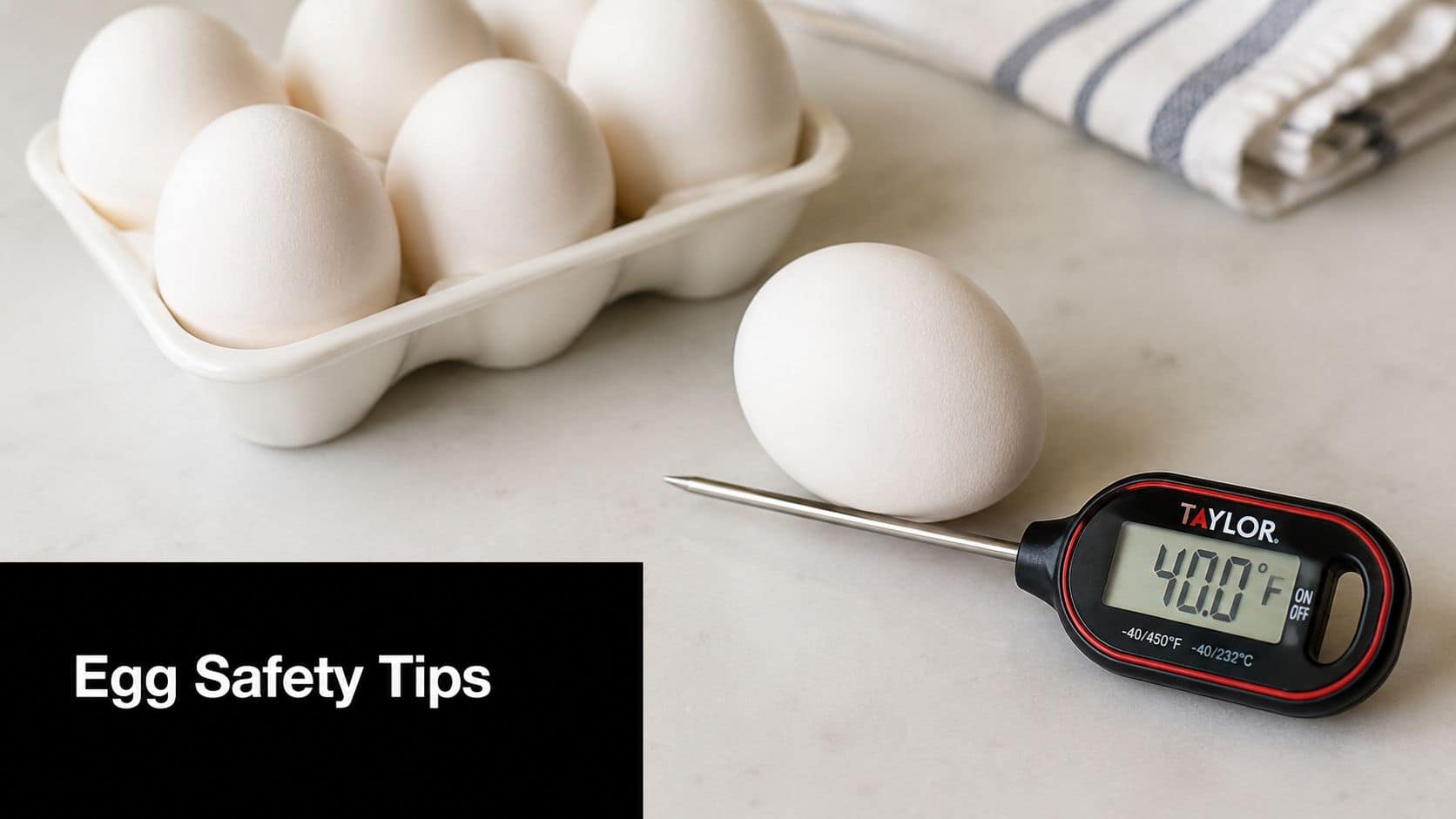
How to keep the process low risk
The safest practical approach is still the simplest one. Warm the eggs shortly before you use them, and avoid leaving them sitting out longer than necessary.
If you want a broader refresher on temperature awareness in the kitchen, this primer on food safety for home and business is useful because it explains why gentle handling matters beyond this one baking step.
Storage habits matter too. Keep eggs in the fridge in their carton until you’re ready to warm them, and keep your prep area tidy. If you’re sorting containers and trying to keep ingredients organized, this look at plastic vs stainless steel food storage key differences can help you set up a cleaner workflow.
If you warm eggs right before mixing, you’re keeping the process both practical and controlled.
What to do when something looks off
Sometimes the eggs still feel a little cool after the soak. That’s not a crisis. Change the water, keep it warm rather than hot, and give them another short round.
If the outside seems slightly opaque after warming, the water was probably too hot. That can mean the proteins at the shell surface started to set. I’d save those eggs for scrambling and start fresh for delicate baking.
If your batter still looks a bit separated after adding the eggs, don’t panic. Stop and assess the full bowl. Often the issue is a temperature mismatch elsewhere, not just the eggs. A bit of dry ingredient can sometimes help a batter come back together, depending on the recipe, but the key lesson is to get your ingredients aligned before mixing.
Make It a Habit Not a Hassle with Smart Recipe Planning
The difference between stressed baking and steady baking is usually prep, not talent. Bringing eggs to room temperature works best when it becomes automatic.
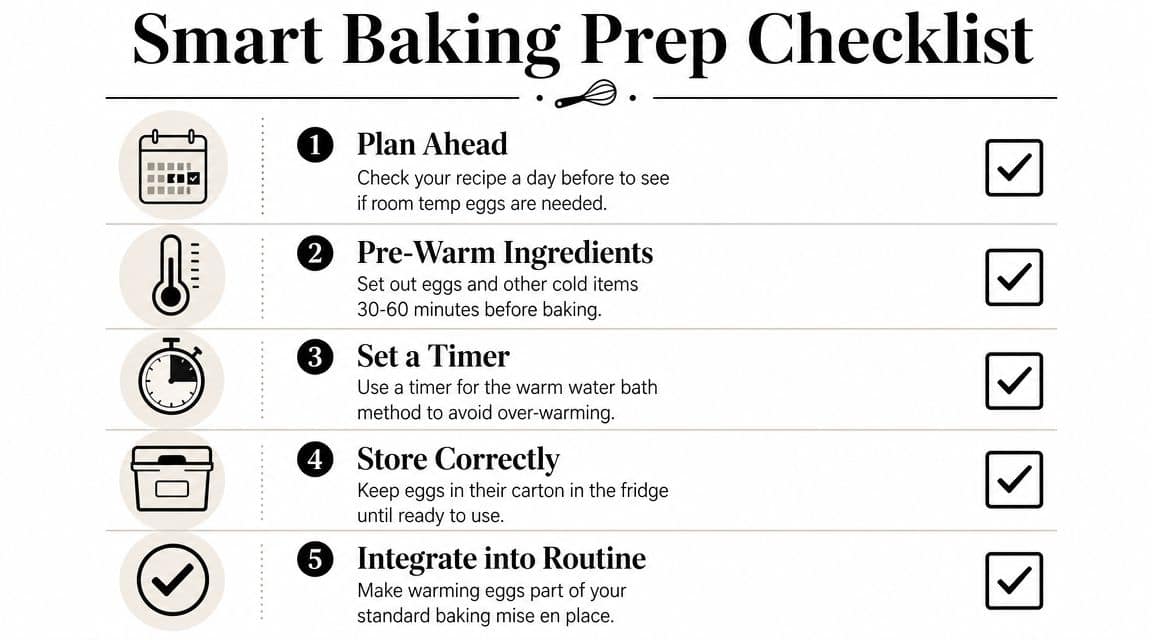
Turn one baking step into a routine
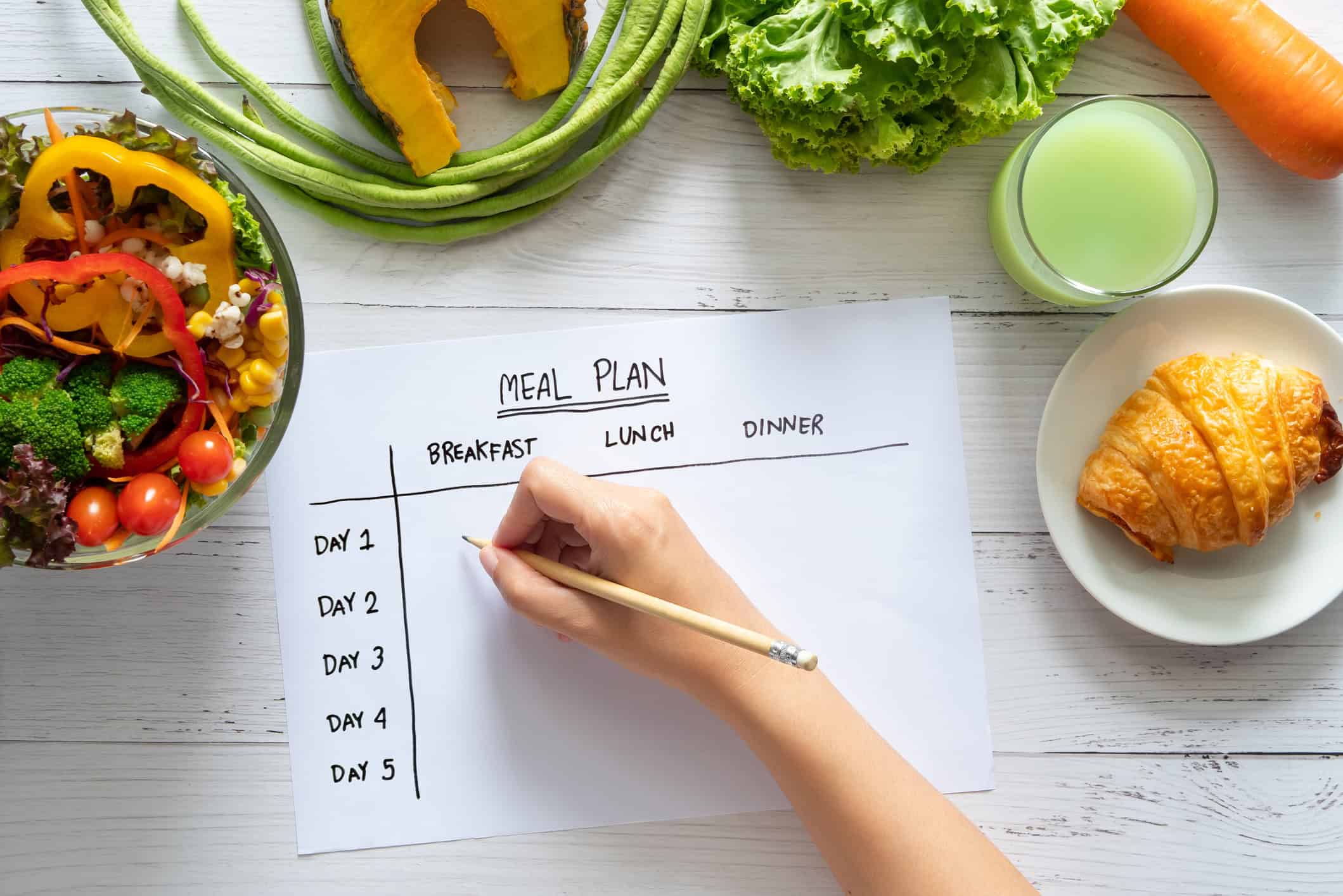
Good meal planning isn’t only for dinner. It helps with baking too. If you know you’re making a cake this afternoon, add a prep reminder when you decide on the recipe, not when the oven turns on.
That same thinking helps families stay organized across the week. A simple plan for meal planning for busy families makes it easier to spot small prep steps early, whether that’s thawing something for dinner or warming eggs before baking.
A simple prep system that works
You don’t need a complicated checklist taped to the cabinet. A few repeatable habits do the job:
- Read the ingredient notes first: Scan for words like room temperature, softened, chilled, or divided before you start.
- Warm eggs at the same time you prep pans: That waiting time disappears when it’s paired with another task.
- Group cold ingredients mentally: Eggs, butter, milk, cream cheese. If one needs attention, the others probably do too.
- Use a timer: It keeps you from forgetting the bowl of eggs while you’re measuring flour.
- Write the note directly on the recipe: “Take eggs out early” is the kind of tiny instruction that saves a bake.
Organized bakers don’t rely on memory. They build small cues into their routine.
This is the part people often miss. Bringing eggs to room temperature isn’t just a baking trick. It’s a planning habit. Once it becomes part of your setup, you stop getting tripped up by it.
Frequently Asked Questions About Eggs
Can I leave eggs on the counter overnight
I wouldn’t make that your standard practice. For baking, it’s better to warm eggs shortly before you use them instead of leaving them out for an extended stretch. Short, intentional prep is easier to control and easier to repeat.
Does this matter if I’m using only whites or only yolks
Yes. It can matter even more when the eggs are doing a specific job, especially in whipped whites. If the recipe depends on foam, structure, or a very smooth emulsion, properly warmed eggs or separated parts tend to behave more predictably.
What about recipes for cookies
Not every cookie recipe benefits in the same way. Some bakers deliberately keep ingredients cooler to control spread in certain styles of cookies. The key is to follow the recipe’s intended texture. Cakes, sponge-based bakes, and recipes built on smooth emulsions are where room-temperature eggs usually matter most.
Can I warm cracked eggs instead of whole eggs
You can, but whole eggs in the shell are simpler and lower risk for most home bakers. Once eggs are cracked, they need more careful handling and can warm unevenly depending on the container.
How do I know the eggs are ready
Use your hands. The eggs should no longer feel cold when you pick them up. That’s the most practical cue in a home kitchen, and it keeps you from overcomplicating the process.
If you’d like to make small prep steps like this easier to remember, OrganizEat gives your recipes a clean, searchable home where you can save notes, organize baking instructions, and keep meal plans and cooking reminders in one place.