


You've spent time saving recipes from websites, photographing stained index cards, and pulling favorite meals into one place. Then you reach the surprisingly hard part. You need a name for recipe book files, folders, or shared collections that fits what you've built.
A good title does more than sound nice. It tells people what lives inside, makes the collection easier to revisit, and helps the book feel finished enough to share. That matters even more now, because recipe saving is spread across websites, social posts, screenshots, handwritten notes, and app folders. The most useful naming approach isn't always the cutest one. It's often the one that helps you search, sort, and keep growing your collection over time, especially for a personal archive rather than a published cookbook.
Modern cookbook structure also gives a clue about why naming matters. Publishing guidance notes that a standard cookbook usually contains between 70 and 100 recipes, while larger collections may include at least 200, and most are organized into roughly four or five recipe chapters with a detailed index for navigation, according to Jericho Writers' cookbook guidance. Even a private collection starts working better when the name reflects that same logic.
If you're also thinking about how names support identity online, it helps to achieve branding success in e-commerce. But for home cooks, the true test is simpler. Will this title still make sense six months from now?
Table of Contents
- 1. Family & Heritage Names
- 2. Modern & Minimalist Names
- 3. Social Media-Inspired Names
- 4. Practical & Functional Names
- 5. Quirky & Personal Names
- 6. Cuisine or Skill-Focused Names
- 7. Rustic & Wholesome Names
- 8. Play-on-Words & Punny Names
- 8-Category Recipe Book Name Comparison
- Your Cookbook, Your Story Start Naming Today
1. Family & Heritage Names
Family names work when recipes carry memory with them. If your collection includes grandma's pie card, your dad's holiday stuffing, or the soup everyone requests when someone's sick, a heritage title gives the book emotional weight right away.
Good examples include Family Favorites, Nana's Kitchen Book, Sunday at Grandma's, The Miller Family Table, and Our Holiday Recipes. Better ones get even more specific. If the archive belongs to one branch of the family or one era of cooking, say that in the name.
Name by lineage, not sentiment alone
A vague title like Precious Recipes feels warm, but it won't help much once the collection grows. A stronger name for recipe book organization is something like Grandma Ruth's Originals or Cousins' Reunion Cookbook. Those names do two jobs. They preserve the story and improve retrieval later.
Practical rule: If the title could belong to anyone, it's too broad for a family archive.
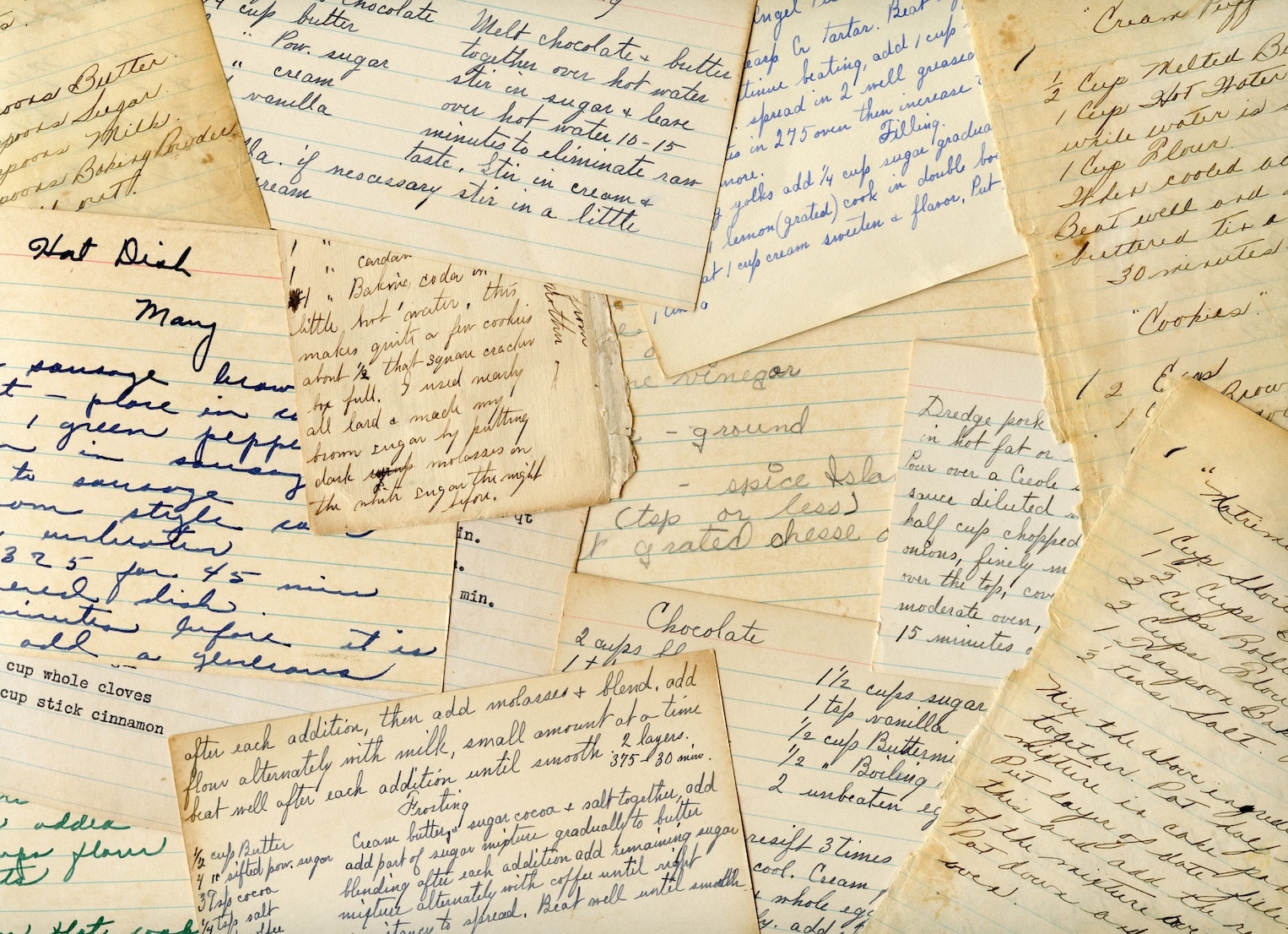
This style works especially well when you've scanned handwritten cards and want to preserve the original look, not just the typed recipe. In that case, the title should echo the source material. A collection called From Mom's Recipe Box makes more sense than just Recipes when the visual history is part of the value.
A few naming patterns that usually hold up well:
- Family branch: The Lopez Family Favorites
- Person-led archive: Aunt June's Best Baking
- Occasion-based tradition: Holiday Recipes from Home
- Generation marker: Second-Generation Kitchen
If you're building a shared archive with relatives, a title that signals ownership helps everyone contribute without confusion. A guide to making a shared family recipe album in OrganizEat fits this use case well, especially when multiple people are preserving the same family dishes.
2. Modern & Minimalist Names
Minimalist titles are clean, calm, and easy to scan on a phone. They suit cooks who like order more than nostalgia, and they're often the best answer when you want a name for recipe book collections that won't feel dated next year.
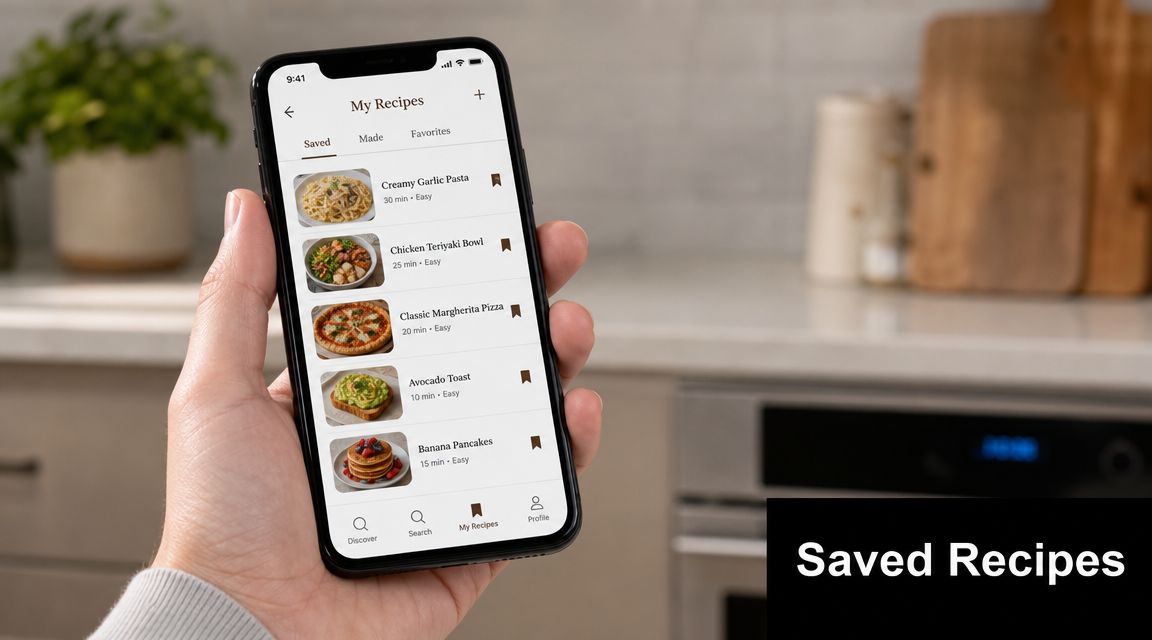
Think Saved Meals, Everyday Cooking, My Kitchen Notes, Simple Suppers, or Cook Repeat. These names are clear without sounding stiff. They also pair well with digital organization because short titles are easier to spot in a folder list, on a tablet, or inside a shared library.
Short names work best when the system underneath is clean
The risk with minimalist naming is becoming so stripped down that every collection starts sounding the same. Recipes, Food Book, and Dinner Ideas aren't minimal. They're unfinished. The fix is simple. Use a short main title and let tags, folders, or subtitles carry the detail.
For example, Weeknight could be the collection name, while your categories handle pasta, chicken, soups, and fast lunches. That setup mirrors how people cook. They usually start with intent first, then narrow by ingredient or method.
North America recipe app research also points in this same direction. Usage is segmented around meal planning, cooking assistance, and grocery integration across iOS, Android, and web, according to regional market reporting on recipe app use. In practice, that means a clean title works best when the rest of your recipe system supports planning, shopping, and cooking without clutter.
Minimal names look polished. Functional labels keep them useful.
A strong minimalist set might include Home, Weekly, One Pot, Favorites, and Baking. Short, memorable, and still meaningful.
3. Social Media-Inspired Names
A lot of personal recipe books start the same way. You spot a skillet pasta in Instagram Reels, save a lunch idea from TikTok, screenshot a cookie post on Facebook, and then spend too long trying to find it again three weeks later. If your collection is built that way, the name should reflect that origin and help you organize the chaos.
Titles like Feed Finds, Saved from the Scroll, Viral Bites, Tap to Taste, and The Recipe Rabbit Hole work because they describe how the recipes entered your kitchen. That makes the title more than a style choice. It becomes a label for a specific kind of recipe flow: fast discovery first, sorting second.
Use the title to mark the source, then sort by real cooking habits
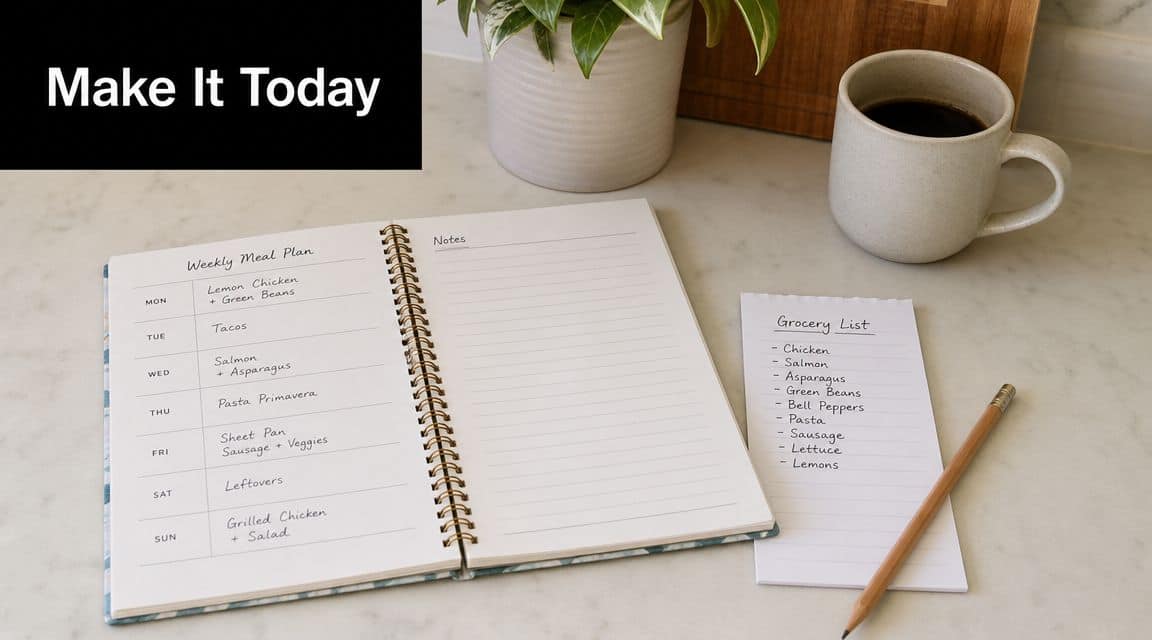
Social media names do their best work when they tell you where the recipes came from, while your folders, tags, and saved notes tell you how you will use them. A book called From the Feed can still be organized into Weeknight Dinners, Air Fryer, Meal Prep, Lunches, and Baking. That trade-off matters. A catchy title is easy to remember, but the system under it has to do the heavy lifting once the collection grows.
I have found that social-first collections become cluttered faster than family or skill-based ones because the input is random. One day it is a five-ingredient soup. The next day it is a birthday cake, a marinade, and a high-protein wrap. The fix is simple. Keep the top-level name playful, then file recipes by cooking purpose, time, method, or occasion.
If your recipes start on social platforms, save them into a library you can search and revisit. Saving recipes from social media into one organized recipe library gives the title real function instead of leaving everything scattered across likes, bookmarks, and screenshots.
A few strong directions:
- Source-led: From the Feed
- Mood-led: Scroll, Save, Cook
- Trend-led: Viral Kitchen
- Action-led: Saved Before It Disappeared
The best choice depends on how you use the collection. Pick a source-led name if you want a holding place for anything found online. Pick an action-led or mood-led name if the book is built for quick saving, weekly review, and regular cleanup.
4. Practical & Functional Names
Some collections don't need poetry. They need clarity. If the recipes are there to get dinner on the table, build a grocery list, or stop the “what are we eating tonight?” conversation, practical titles usually outperform clever ones.
The strongest examples say exactly what the collection helps you do. Weeknight Dinners, Meal Plan Recipes, School Lunch Rotation, Budget-Friendly Meals, Freezer Meals, and Go-To Grocery Recipes all make sense instantly. Nobody has to decode them.
When utility beats charm
Functional names work best for busy households, shared kitchens, and repeat cooking. If a partner, teenager, or roommate needs to find a recipe fast, a direct title saves time. It also scales better than a whimsical title once the collection starts branching into breakfasts, shopping, prep-ahead meals, and side dishes.
Book naming guidance for personal recipe archives often gets drowned out by pun lists and coffee-table style titles. But for real home use, naming by function is often smarter. The strongest undercovered advice is to choose labels like Family Favorites, Weeknight Dinners, Grandma's Originals, or Air Fryer and Meal Prep because they support search and long-term retrieval, not just creativity, according to this overview of practical recipe collection naming.
A practical title also makes sense if your collection feeds directly into shopping and planning. Picture a folder called Five-Ingredient Dinners that turns into a grocery list every Sunday. That name is doing useful work. It's not decorative.
If the collection solves a recurring kitchen problem, name the problem.
Some practical titles that hold up well are Tonight's Dinner, Pantry Meals, Back Pocket Recipes, and Lunchbox Staples. They're not flashy. They're dependable.
5. Quirky & Personal Names
A personal recipe book doesn't have to sound polished. Sometimes the right name is weird, affectionate, or slightly chaotic because that's exactly how your kitchen feels. Quirky names shine when the collection is mostly for you or for people who already know your cooking personality.
Good examples include Butter Side Up, Feed My People, The Messy Apron Files, Recipes I Make, Sauce First, and No Sad Dinners. These work because they sound lived-in. They feel like a real person named the book, not a branding committee.
Private humor is great, but give it a clue
The trade-off is discoverability. A title like Chaos Cuisine might amuse your friends, but it doesn't tell anyone whether the book contains weeknight meals, baking projects, or family recipes. The easiest fix is adding a subtitle or organizing labels underneath.
For example, Burnt Once, Better Now can work if the categories are clear. So can The Hungry Gremlin Cookbook if the recipes are sorted into breakfast, dinner, snacks, and desserts. Personality is the hook. Structure is what keeps the collection usable.
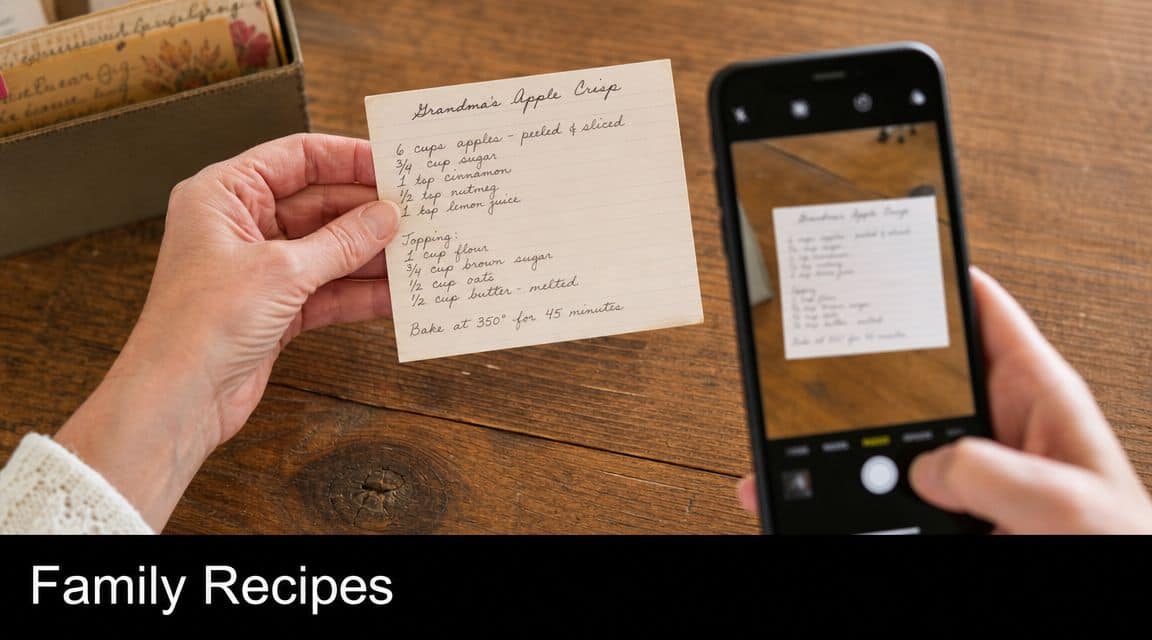
This style is especially nice when you're digitizing cards, notes, and clippings that feel personal. A typed title can still preserve a sense of voice. Instead of calling the archive Heirloom Recipes, you might call it Mom Cooked This Better or Things We Ate Every Christmas.
A few quirky names that still stay readable:
- Self-aware: Recipes I Swear By
- Playful: Stirring the Usual
- Conversational: What's for Dinner Then
- Inside-joke friendly: Approved by the Picky One
The best quirky title sounds like something you'd say out loud in your kitchen.
6. Cuisine or Skill-Focused Names
Specialized collections benefit from specialized titles. If you're building around one cuisine, one appliance, or one skill, don't bury that focus under a vague umbrella name. Put the topic right in the title.
Sourdough Notebook, Weeknight Thai, Air Fryer Keepers, Mediterranean Lunches, Vegan Batch Cooking, and Homemade Pasta Journal all work because they immediately set expectations. That makes the collection easier to use and easier to share with the right people.
Make the specialty obvious
This naming style is ideal when your recipe library grows in layers. Maybe you have one broad collection for daily cooking, then smaller focused sets for bread baking, holiday cookies, or regional dishes you're learning over time. A specific title tells you where that collection starts and where it stops.
Cookbooks as a category still have broad relevance, but sales have shifted sharply by subject. In Canada, cookbooks accounted for 6% of all non-fiction books purchased by consumers in 2024, and in the United States, baking cookbook unit sales rose by more than 80% in 2025, according to a compiled summary of cookbook sales trends. That fits what home cooks already know firsthand. Focused collections often feel more useful than broad ones.
If you're organizing by cuisine inside a larger recipe system, tags make this style much easier to maintain. A practical guide to organizing recipes by cuisine in OrganizEat is one way to handle that without creating duplicate recipes across multiple folders.
A specialized title attracts the right recipes and keeps out the wrong ones.
If you're uncertain, start with the cooking goal. Learn sourdough. Eat more plant-based meals. Master regional curries. The title usually follows from there.
7. Rustic & Wholesome Names
Rustic names promise comfort. They suggest slow soups, fruit crisps, Sunday roasts, homemade bread, and vegetables that taste like the season they came from. If your collection leans cozy and from-scratch, this style can feel exactly right.
Names like Hearth & Table, Harvest Kitchen, From the Country Table, Simple Seasonal Suppers, and The Cozy Pantry all create a mood quickly. They're inviting without needing to be overly sentimental.
Warm names need clear boundaries
The challenge with rustic naming is drift. A title like Homegrown Kitchen sounds lovely, but it can turn into a catch-all for everything from smoothies to birthday cakes unless you define it a bit. Add one anchor word that narrows the scope, such as seasonal, comfort, farmhouse, baking, or supper.
This style tends to work best for cooks who revisit ingredients through the year instead of chasing novelty every week. If your recipes cluster around soups in winter, fruit desserts in summer, and holiday baking in between, a warm title can unify the whole collection. It also suits scanned recipe cards and handwritten notes because the tone matches the feeling of preservation.
Try combinations like:
- Season-led: Seasonal Kitchen Book
- Mood-led: Cozy Table Recipes
- Ingredient-led: Orchard and Oven
- Meal-led: Sunday Supper Notes
Rustic names are strongest when they sound grounded, not theatrical. Keep them warm, but keep them believable.
8. Play-on-Words & Punny Names
Puns are fun until they become the only thing the title offers. A punny name for recipe book collections can be memorable and charming, but it still needs to hint at food, cooking, or the kind of recipes inside.
Names like Whisk Taker, Thyme Well Spent, Lettuce Eat, The Upper Crust Files, and Bake It Happen can work if the collection is casual and shareable. They're especially good for giftable digital books, friend-group recipe swaps, or themed collections like cookies, brunches, or party food.
Funny names work best when they still say food
What doesn't work is an obscure joke that nobody understands without explanation. If the pun lands only after a long story, it's not helping the reader or future you. Keep the joke light and let the organization do the heavy lifting.
One practical filter is to ask whether the title still makes sense on a phone screen, in a shared link, or as a folder label. If it reads clearly in those places, it'll probably hold up. If it feels like a stand-up bit, shorten it.
A few pun styles that tend to age well:
- Ingredient pun: Olive My Favorites
- Technique pun: Whisk Business
- Baking pun: Bake Expectations
- Meal pun: The Daily Breadwinner
The best punny names are quick, readable, and easy to repeat. If people hesitate before saying the title, the joke is probably working too hard.
8-Category Recipe Book Name Comparison
A good recipe book name should do a job. It should help you recognize the collection fast, file new recipes in the right place, and share it without needing to explain what it is. That becomes even more useful in a digital recipe system, where the title sits beside folders, tags, photos, and saved links.
Use this comparison table to choose a naming style based on how you organize recipes, not just what sounds nice on a cover.
| Naming Style | 🔄 Implementation Complexity | 💡 Resource Requirements | ⚡ Expected Outcomes | 📊 Ideal Use Cases | ⭐ Key Advantages |
|---|---|---|---|---|---|
| Family & Heritage Names | Low. Pick names tied to relatives, places, or traditions you already use at home | Medium. Works best if you have scanned cards, notes, or family context to add inside the collection | Strong emotional pull and clearer storytelling | Heirloom recipes, shared family albums, digitized recipe cards | Connects the title to memory, ownership, and family context |
| Modern & Minimalist Names | Low. Choose short, clean titles and keep the style consistent across collections | Low. Minimal design work. Use the app's design and tidy collections to carry the visual order | Clear browsing and quick recognition | Everyday cooking, digital-first users, visually tidy libraries | Keeps the system easy to scan and easy to maintain |
| Social Media-Inspired Names | Medium. Works best if you sort recipes by source, creator, or trend | Medium. Requires regular saving from social platforms and occasional cleanup | High shareability and easy source recognition | TikTok or Instagram saves, trend-based meal ideas, creator collections | Makes it easier to separate inspiration from tested keepers |
| Practical & Functional Names | Low. Use direct labels based on meal type, purpose, or planning habit | Low. Fits naturally with shopping lists, calendars, and meal planning tools | Better weeknight usability and faster retrieval | Busy households, meal prep, grocery-based organization | Supports real cooking routines, not just presentation |
| Quirky & Personal Names | Low. Creative titles are easy to make if the collection has a clear personality | Low. No extra materials needed beyond the name itself | Memorable, friendly, and highly personal | Personal cookbooks, friend-group sharing, informal collections | Adds voice without making the collection hard to recognize |
| Cuisine or Skill-Focused Names | Medium. Requires a clear rule for what belongs in each collection | Medium. Stronger if recipes are tagged by technique, cuisine, or learning goal | Better focus for practice, browsing, and repeat cooking | Sourdough, vegan cooking, regional cuisines, baking skills | Helps you group recipes by what you want to learn or cook more often |
| Rustic & Wholesome Names | Low. Choose warm language tied to season, comfort, or ingredient style | Low. Optional support from seasonal recipes, garden notes, or whole-food themes | Cozy tone and a clear sense of cooking style | Seasonal cooking, comfort food, farmhouse-style collections | Gives the collection a grounded identity without much setup |
| Play-on-Words & Punny Names | Low. Pick wordplay that still reads clearly on screen | Low. More about clarity and tone than extra materials | Fun, memorable collections with casual appeal | Gifts, party recipes, friend sharing, themed mini-books | Makes a collection feel approachable and easy to share |
The practical trade-off is simple. The more expressive the title, the more your folders, tags, and notes need to do the sorting work. The more direct the title, the less effort it takes to find recipes later. In OrganizEat, that balance matters because names show up as part of the system, not just decoration. A title like Weeknight Dinners or Nonna Rosa’s Kitchen already tells you how to file, search, and share the recipes inside.
Your Cookbook, Your Story Start Naming Today
You save a pasta recipe from Instagram, scan your grandmother’s pie card, bookmark three weeknight chicken ideas, and suddenly your recipe book needs a name. At that point, the title is not just a label on a cover. It becomes part of how you sort, recognize, and share the collection.
A strong name for recipe book collections does two jobs at once. It gives the book personality, and it tells you what belongs inside. That matters more in a digital system, where the title shows up in folders, shared collections, saved covers, and search results. A name like Sunday Family Table sets a very different expectation than 20-Minute Dinners, and that difference helps you decide how to organize the recipes from the start.
The best choice usually comes from the structure of the collection.
If the book holds family recipes, use names that point to people, places, or traditions. If it is built from practical meal planning, use direct language that still makes sense six months from now. If it pulls from social saves and screenshots, the title can carry the personality while your categories and tags do the sorting work. That trade-off is worth paying attention to. The more creative the title, the more clearly the supporting organization needs to be set up.
Recipe collections also tend to grow faster than expected. One folder becomes five. Then you add holiday baking, school lunches, air fryer meals, or recipes you are still testing. Publishing guidance often treats cookbooks as reference tools with a clear structure, and home cooks benefit from the same mindset. A good title should still make sense once the collection expands beyond the first dozen recipes.
A quick test helps. Choose the name that still works as a folder title, a shared collection name, and a cover image on your phone. If it feels awkward in any of those places, it will probably become harder to use over time.
In practice, the easiest setup is often a simple title with a descriptive system underneath it. Family Favorites can hold categories for holidays, baking, comfort food, and quick dinners. Saved from the Scroll can keep its playful tone while tags sort recipes by source, meal type, and prep style. That gives you room for personality without making retrieval harder later.
OrganizEat supports that kind of setup in a very practical way. You can save recipes from websites and social platforms, photograph handwritten cards, group recipes into categories, and keep the collection available across devices. Once the recipes are gathered in one place, the right title usually becomes easier to spot because the shape of the collection is clear.
Pick a name you will still want to use after the collection doubles in size. Clear beats clever when you are tired, shopping, or trying to find the one soup recipe everyone asks for.
If you want a simple way to turn scattered screenshots, family cards, social saves, and clipped recipes into a named, searchable cookbook, try OrganizEat. It lets you organize recipes into personal collections, label them in ways that make sense for your kitchen, and keep them available when you’re planning, shopping, or cooking.